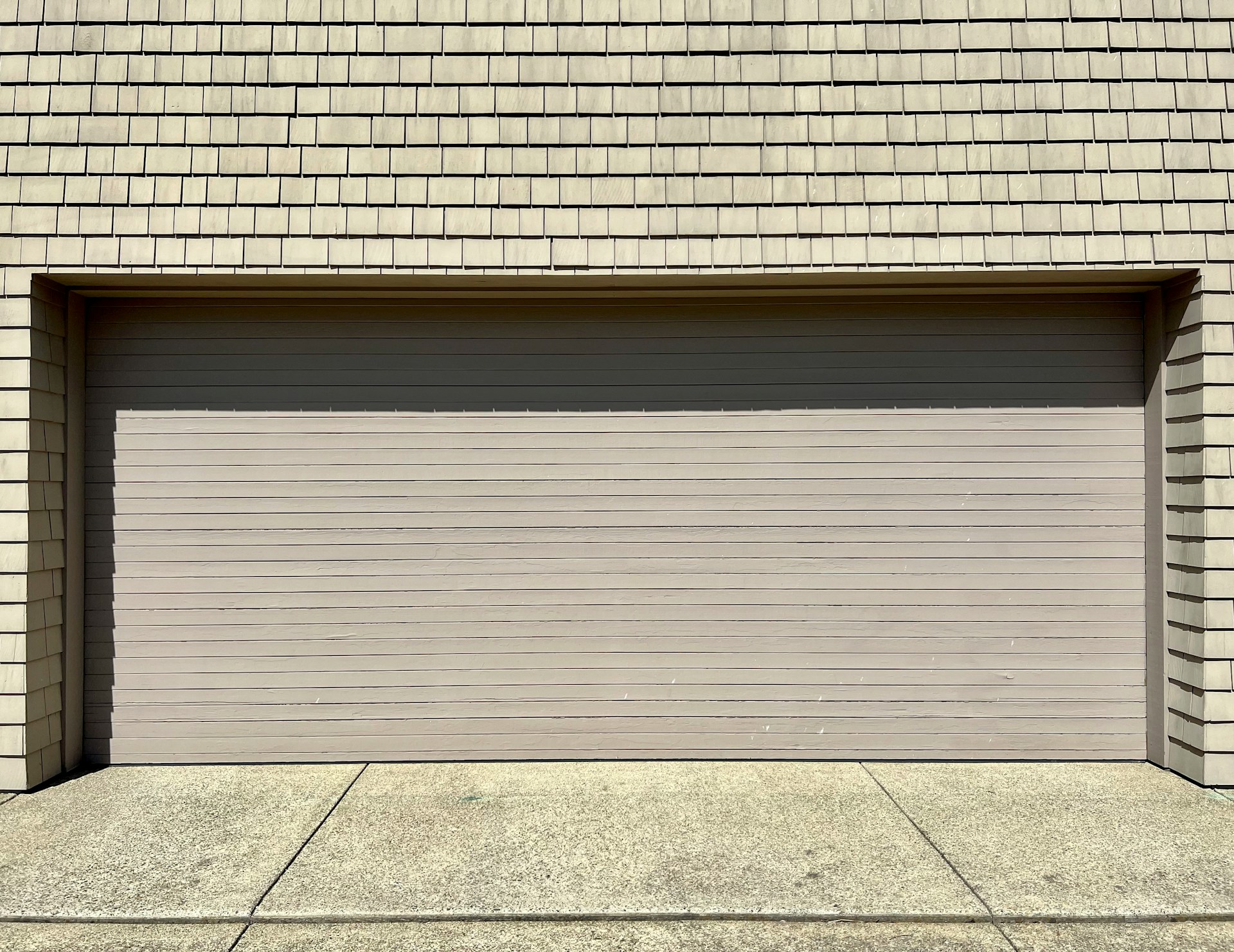
The Phoenix Homeowners Guide to Garage Door Maintenance (And When to Call a Pro)
Garage door maintenance in Phoenix is one of the simplest ways to avoid surprise breakdowns, reduce noise, and extend the life of your garage door and opener. Between extreme heat, dust, and daily use, small problems can turn into a broken spring, a door that goes off-track, or an opener that stops working.
This guide covers what you can safely do at home, what you should never DIY, and when to call a professional for a tune-up or repair.
Need help now? request service online.
Why Garage Door Maintenance Matters More in Phoenix
Your garage door is the largest moving object in most homes. When parts dry out or loosen up, you may notice:
- Louder operation (rattling, squealing, popping)
- Uneven travel or a door that wobbles in the track
- Reversing before closing (sensor/force issues)
- Air and dust intrusion from worn seals
- Extra strain on the opener motor
Annual maintenance helps you catch problems early and keep the system safe and reliable.
A Safe DIY Garage Door Maintenance Checklist (10 Minutes)
These checks are homeowner-safe and can be done about once a month.
1) Watch one full open/close cycle
Stand inside the garage and run the door once. Look for jerky movement, rubbing, vibration, or a door that reverses unexpectedly.
2) Clean and align the photo-eye sensors
Wipe the two safety sensors near the floor with a soft cloth. If the door won’t close and keeps reversing, dirty or misaligned sensors are a common cause.
3) Check the bottom seal and side seals
From inside, look for daylight around the edges. In Phoenix, worn seals often show up as:
- Cracked or flattened bottom seal
- Side seals pulling away from the jamb
- Dust blowing in during windy days
4) Tighten obvious loose hardware (lightly)
If you see a hinge screw backing out or a bracket bolt visibly loose, you can snug it up.
Do not touch anything connected to springs, cables, drums, or bottom brackets.
What NOT To DIY (Seriously)
Avoid these repairs unless you’re trained and equipped:
- Spring adjustments or spring replacement
- Cable repairs
- Bottom bracket work
- Track realignment if the door is binding hard or off-track
- Forcing the door with the opener when it’s struggling
Springs are under high tension. Cable failures can cause the door to drop or twist.
The Quick Balance Test (A Great Early Warning Sign)
If your door has a manual release cord (most do), you can do a basic balance check:
- Close the door.
- Pull the emergency release to disconnect the opener.
- Lift the door manually to about halfway.
- Let go carefully.
A well-balanced door should stay near place. If it drops fast or shoots up, the spring system may be out of balance and the opener is being forced to compensate.
If the door feels unusually heavy, stop and schedule service.
Warning Signs You Should Schedule Service
If you notice any of these, it’s time to book a tune-up or repair:
- New squeaks, grinding, popping, or rattling
- Door shakes or shudders while moving
- Door closes then reverses repeatedly
- Opener sounds strained or buzzes without moving the door
- Door is crooked or gaps look uneven
- Visible cable fraying (do not touch)
If your door is stuck open or off-track, consider it urgent. See our Emergency Service page or request service online.
How Often Should You Get Professional Garage Door Maintenance?
For most homes, once per year is a solid baseline.
Consider maintenance twice per year if:
- Your garage is the main entry (high cycle count)
- You have an insulated or heavier door
- Your door is 10+ years old
- You’ve had repeated repairs in the past
A proper tune-up typically includes a balance test, hardware inspection, roller/bearing wear check, opener safety testing (photo eyes and auto-reverse), and correct lubrication (tracks are typically cleaned, not greased).
FAQ: Garage Door Maintenance in Phoenix
Does lubrication fix a noisy garage door?
Sometimes, but not always. Noise often comes from worn rollers, loose hardware, or an out-of-balance door. Lubrication helps, but it won’t fix worn parts.
Should I replace my opener if I replace my garage door?
Not always. But if your opener is underpowered, very loud, or missing modern safety features, upgrading during a door replacement can be cost-effective.
Is an insulated garage door worth it in Phoenix?
Often, yes, especially if the garage is attached to the home or used as a workspace. Insulation can also reduce noise.
Schedule a Garage Door Tune-Up or Repair
If your door is noisy, reversing, crooked, or hasn’t been serviced in a while, proactive maintenance can prevent an emergency breakdown.
contact Great Doors and Gates to schedule service in the Phoenix metro area.
Related services: Garage Door Services | Garage Door Repair | Emergency Garage Door Service