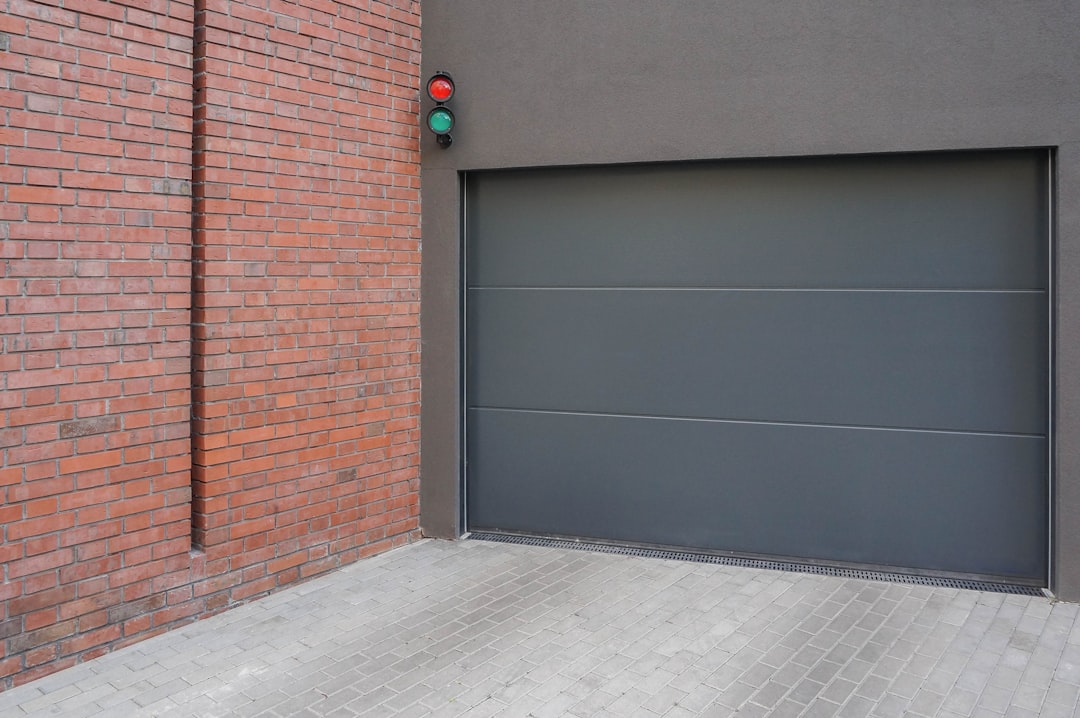
Garage Door Security in Phoenix: How Burglars Target Your Garage and 9 Ways to Stop Them
Garage Door Security in Phoenix: How Burglars Target Your Garage and 9 Ways to Stop Them
Your garage door is the largest entry point to your home. It’s also one of the most vulnerable. In Phoenix, where attached garages are standard and cars are essential, burglars know that a compromised garage often means easy access to the entire house. The good news? Most garage break-ins are preventable with the right security measures.
Why Phoenix Garages Are Prime Targets
Phoenix’s car culture means most homes have attached garages that see daily use. This creates patterns that burglars exploit. You leave for work at the same time. You come home and the door goes up. The garage becomes a routine entry point that fades into the background of daily life.
Phoenix neighborhoods from Ahwatukee to Peoria share common garage vulnerabilities. Many homes built in the Valley’s boom years have builder-grade garage door openers with basic security features. Older homes in central Phoenix may have outdated systems entirely. The heat also plays a role—homeowners sometimes leave garage doors cracked open for ventilation, creating obvious opportunities.
The Most Common Garage Break-in Methods
Burglars use several techniques to gain garage access. Understanding them is the first step to prevention:
- Coat hanger trick – A wire hooked through the top of the door can pull the emergency release cord, disconnecting the door from the opener. This takes under 30 seconds.
- Remote theft from vehicles – Many Phoenix residents park cars in driveways with garage remotes on the visor. A smashed window gives instant garage access.
- Code grabbing – Older garage door openers use fixed codes that can be intercepted and duplicated.
- Keypad guessing – Common codes like 1234 or birth years are tried first.
- Unlocked interior door – Once inside the garage, an unlocked door to the house provides full access.
9 Security Upgrades That Actually Work
You don’t need an expensive security system to protect your garage. These nine measures address the most common vulnerabilities:
1. Install an Emergency Release Shield
The emergency release cord—that red handle hanging from your opener—is designed to let you open the door manually during a power outage. Unfortunately, burglars can use a coat hanger to pull it from outside. A plastic shield blocks this technique while still allowing legitimate manual operation.
These shields cost $15-30 and install in minutes. Some Phoenix hardware stores carry them, or they’re available online. If you’re handy with zip ties, you can also secure the cord higher up where it can’t be reached from outside.
2. Never Leave Remotes in Parked Cars
This is the single most common mistake Phoenix homeowners make. Your car sits in the driveway with a garage remote on the visor. A thief smashes a window and now has access to your garage and likely your entire home.
Keep your remote on your keychain instead. If you must leave a remote in the car, lock it in the glovebox or center console. Better yet, use your car’s built-in HomeLink system if available—you can’t lose what’s built into your vehicle.
3. Upgrade to Rolling Code Technology
If your garage door opener is more than 15 years old, it may use fixed codes. This means the same signal opens your door every time—a signal that can be captured and replayed by tech-savvy burglars.
Modern openers use rolling code technology that generates a new code with each use. Even if someone intercepts the signal, it won’t work a second time. Most openers manufactured after 2000 have this feature. If yours doesn’t, it’s time for an upgrade.
4. Use a Smart Garage Door Controller
Smart controllers like myQ or ismartgate connect your existing opener to WiFi. This lets you:
- Check if your garage door is open from anywhere
- Receive alerts when the door opens or closes
- Close the door remotely if you forgot
- Share temporary access with delivery people or guests
- See a history of garage activity
These devices cost $30-100 and work with most openers made after 1993. They integrate with smart home systems like Alexa and Google Home. For Phoenix homeowners who travel or have vacation homes, this provides serious peace of mind.
5. Change Your Keypad Code Regularly
If you have an exterior keypad, change the code every 6-12 months. Avoid obvious numbers—addresses, birth years, 1234, or 0000. A random 4-digit code is harder to guess than one based on personal information.
Also consider who has your code. Cleaners, dog walkers, and neighbors may have access. When you change codes, update everyone who needs it. Many newer keypads allow temporary codes that work only during specific hours—useful for service people.
6. Secure the Interior Door
The door between your garage and house should be as secure as your front door. Yet many Phoenix homes have a basic interior door with a simple lock that provides minimal protection.
Install a solid wood or metal door with a deadbolt. If the door has a window, replace it with solid material or add a security film that prevents shattering. Some homeowners add a security bar that braces against the floor for additional protection when away for extended periods.
7. Add Motion-Activated Lighting
Burglars prefer darkness. Motion-activated lights at your garage door eliminate cover and draw attention to anyone approaching. In Phoenix’s dark desert nights, a sudden flood of light is a powerful deterrent.
LED motion lights cost $20-50 and are easy to install. Place them to cover the garage door and driveway approach. Solar options work well in Phoenix’s sunny climate and don’t require electrical wiring.
8. Install a Garage Door Lock
Some garage doors have built-in locking mechanisms that engage slide bolts into the track. If yours doesn’t, aftermarket locks are available that mount to the inside of the door. These provide physical security that can’t be defeated by electronic means.
The downside is remembering to disengage the lock before using the opener—failing to do so can damage the opener. Some locks integrate with smart home systems for automatic disengagement.
9. Consider a Security Camera
A visible camera at the garage door serves two purposes: it deters burglars who spot it, and it provides evidence if someone does break in. Even a fake camera provides some deterrent value.
Real cameras start around $50 for basic WiFi models. Position cameras to capture the garage door and anyone approaching. Cloud storage preserves footage even if the camera is damaged or stolen.
Phoenix-Specific Security Concerns
Living in the Valley creates unique garage security challenges:
- Monsoon power outages – When power fails, your garage door opener stops working. If you don’t have a battery backup, you’ll need to use manual operation. This is also when burglars may target homes during widespread outages when security systems are down.
- Summer heat – Extreme temperatures can damage electronic components in smart controllers and keypads. Choose outdoor-rated devices and consider shaded mounting locations.
- Seasonal residents – If you’re a snowbird, your garage may sit unused for months. Smart controllers let you monitor activity remotely. Consider having a neighbor check periodically.
- New construction areas – Growing areas like Buckeye and Surprise have many new homes with standard builder-grade security. Upgrading these systems should be a priority.
Signs Your Garage Has Been Targeted
Sometimes burglars case a home before attempting entry. Watch for:
- Unusual marks or scratches on the garage door top panel
- Items moved around in the garage that you didn’t touch
- Your remote working inconsistently (possible code theft)
- Unfamiliar vehicles slowly cruising your street
- Someone asking unusual questions about your schedule or garage
If you notice these signs, change your keypad codes immediately and consider adding additional security measures.
FAQ
How common are garage break-ins in Phoenix?
Garage break-ins account for a significant portion of home burglaries in the Phoenix metro area. Attached garages are particularly vulnerable because they provide both access and cover from street view. Exact statistics vary by neighborhood, but garages remain one of the top entry points for residential burglaries nationally.
Can burglars open my garage door with a universal remote?
Older openers with fixed codes can be opened with code-grabbing devices. Modern rolling code systems make this nearly impossible. If your opener was made before 2000, consider upgrading or adding additional security measures.
Should I leave my garage door open for ventilation in summer?
No. Even a partially open garage door is an invitation. Phoenix heat is real, but the security risk isn’t worth it. Instead, consider a garage fan, ventilation system, or insulated garage door to manage temperatures.
Do garage door security shields really work?
Yes. The coat hanger method exploits a legitimate safety feature—the emergency release. Shields block access to the release cord from outside while still allowing manual operation from inside. They’re inexpensive and effective.
Is a smart garage door controller worth the cost?
For most Phoenix homeowners, yes. The ability to check your garage door status remotely addresses the common worry of “did I close the garage?” Alerts notify you of unexpected activity. The $30-100 cost is minimal compared to the value of the items in your garage and the door to your home.
What’s the first security upgrade I should make?
Start by never leaving your remote in a parked car and installing an emergency release shield. These two steps address the most common and easily exploited vulnerabilities. Neither requires professional installation or significant expense.
Professional Garage Door Security Help in Phoenix
If you’re concerned about your garage’s vulnerability, a professional inspection can identify specific risks and recommend appropriate upgrades. Great Doors and Gates serves homeowners throughout Phoenix and surrounding communities including Scottsdale, Mesa, Chandler, Tempe, and Glendale.
We can upgrade your opener to rolling code technology, install smart controllers, add security hardware, and ensure your garage door system doesn’t become an easy entry point for intruders. Most security upgrades are quick and affordable—far less expensive than recovering from a break-in.
Your garage protects your vehicles, tools, storage, and often provides direct access to your home. Securing it should be a priority for every Phoenix homeowner.